
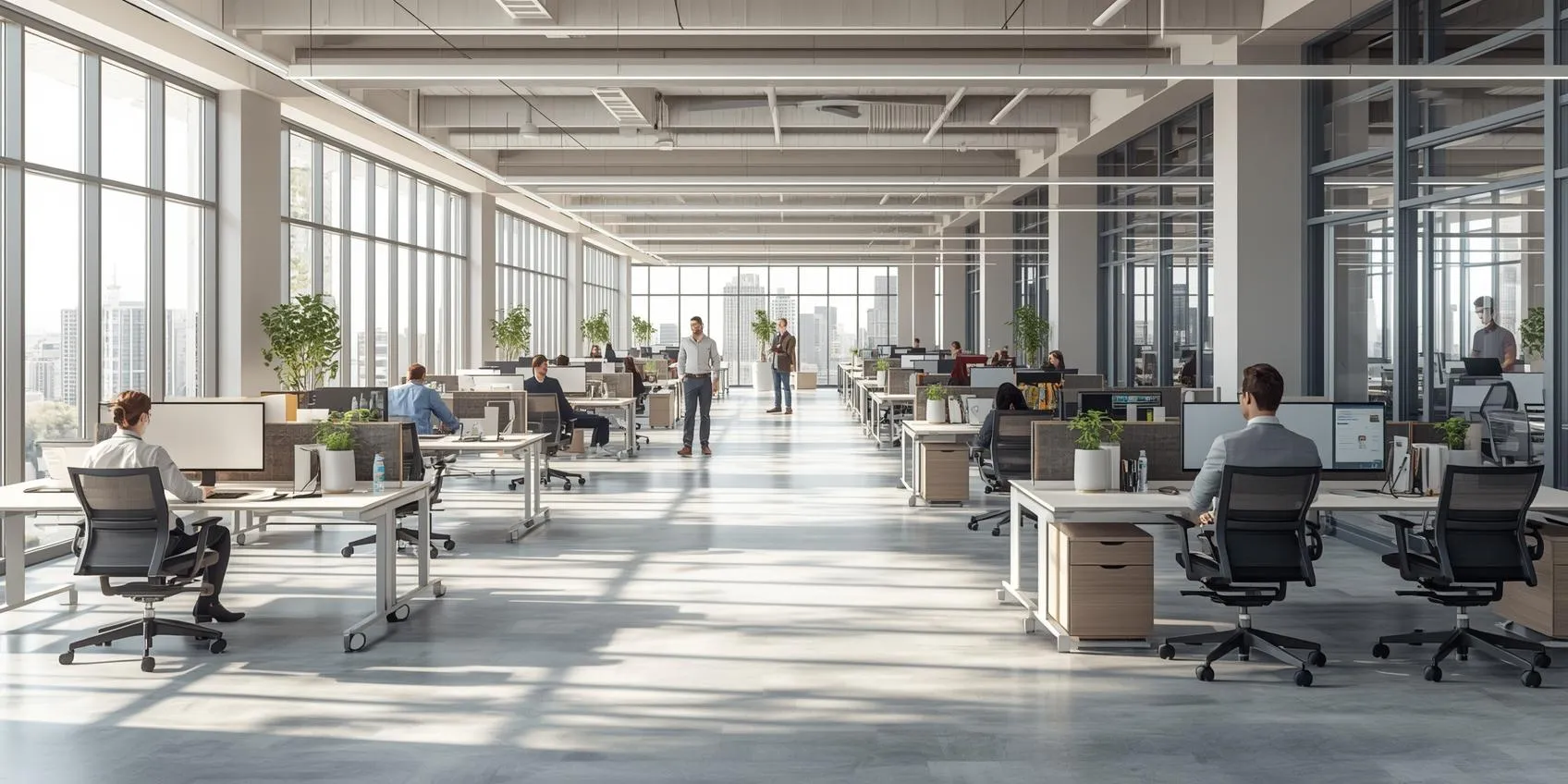
The modern workplace is undergoing a major transformation as businesses place greater emphasis on employee experience and performance. Overcoming the aesthetic barrier, today’s commercial office design is the chief factor that increases efficiency, facilitates group work, and makes employees feel better overall. As work models keep changing, offices are design to be healthier and more adaptable so employees can be at their best.
Adaptable and Activity-Based Workplaces
Activity-based working is one of the most powerful trends that is molding the workplace of today. Instead of fixed desks, various kinds of spaces are form that are specially designed for different kinds of work. Teamwork can done in collaborative zones, silent rooms can use for concentrated tasks, and creative discussions can happen in informal areas. This flexibility gives the choice of the most conducive working place to the employees, and hence it results in greater productivity and less work fatigue.
Furniture with Ergonomics in Mind
Employee health is as important as the physical comfort of the employee. For that very reason, ergonomics becomes the most important aspect in office design and hence a top priority. Employee discomfort and bad posture can reduce through height-adjustable desks, comfortable chairs, and monitors at an appropriate distance. Also, it is not only furniture that occupants are impacted by, but lighting, air circulation, and noise control are major contributors to the creation of healthy indoor environments. Companies that implement office ergonomics are likely to see the number of sick days taken by staff decrease and the general morale of employees increase.
Biophilic Design and Usage of Natural Elements
Biophilic design still runs the race at the forefront of trends as companies provide employees with the benefits of being close to nature. The use of natural light, indoor plants, green walls, and natural materials such as wood and stone is an effective way to calm down and brighten up people. These aspects not only boost the aesthetic side of the office but also help users have less mental fatigue and be more focused, thus making the office a more attractive place to work.
Incorporating Technology in Work Environments
Digital technologies are becoming narrower and narrower in their acceptance as a part of the way that the company operates; hence, modern offices will design accordingly to the most seamless use of the tech. Workstations with built-in power access, wireless charging, and excellent cable management all combine to make it less cluttered and more efficient. Meeting rooms with state-of-the-art video conferencing and collaboration tools help mitigate potential communication interruptions, such as in a hybrid work scenario. Smart technology incorporation allows the workplace to adjust to the new work patterns without any fuss.
Workspaces That Encourage Teamwork and Concentration
An open-plan layout creates a cordial atmosphere where interaction can easily take place, while closed meeting rooms, phone booths, and quiet zones offer privacy when needed. Use of acoustic panels and applying smart zoning for sound have been some ways to help reduce noise distractions, so that employees can move easily from single to group work.
Companies working in this industry, like SKG, help organizations across sectors align office furniture, technology, and workplace processes to create environments that support both productivity and employee wellbeing.
Conclusion
Investing in thoughtful commercial office design allows businesses to create workplaces that support employee health, engagement, and performance. From flexible layouts and ergonomic furniture to biophilic elements and technology integration, modern office trends are shaping environments where people can work more comfortably and effectively. As companies continue to evolve, prioritizing employee well-being through smart office design will remain a key driver of long-term success.


